Read our Pleio Ponderings, case studies, news, white papers, blog posts, and webinars to gain insight on the industry.


March 4, 2026

Peer-to-patient support can improve specialty medication adherence. A partnership between Pleio and Gentry Health Services shows how connecting patients with trained peer supporters helps address emotional barriers like fear, worry, and loneliness. The result: stronger onboarding, higher prescription fill rates, and more engaged patients.

January 24, 2026

Pleio’s Chief Pharmacy Officer Mark Gregory, RPh discusses how oral GLP-1 medication will impact the patient medication journey, highlighting how easier access may improve initiation but not necessarily adherence. He explores how fragmented support, knowledge gaps, and emotional barriers can undermine persistence, and why sustained outcomes will depend on coordinated guidance beyond the prescription.

PLEIO PONDERINGS & BLOG

Where emotion drives action through the written word.

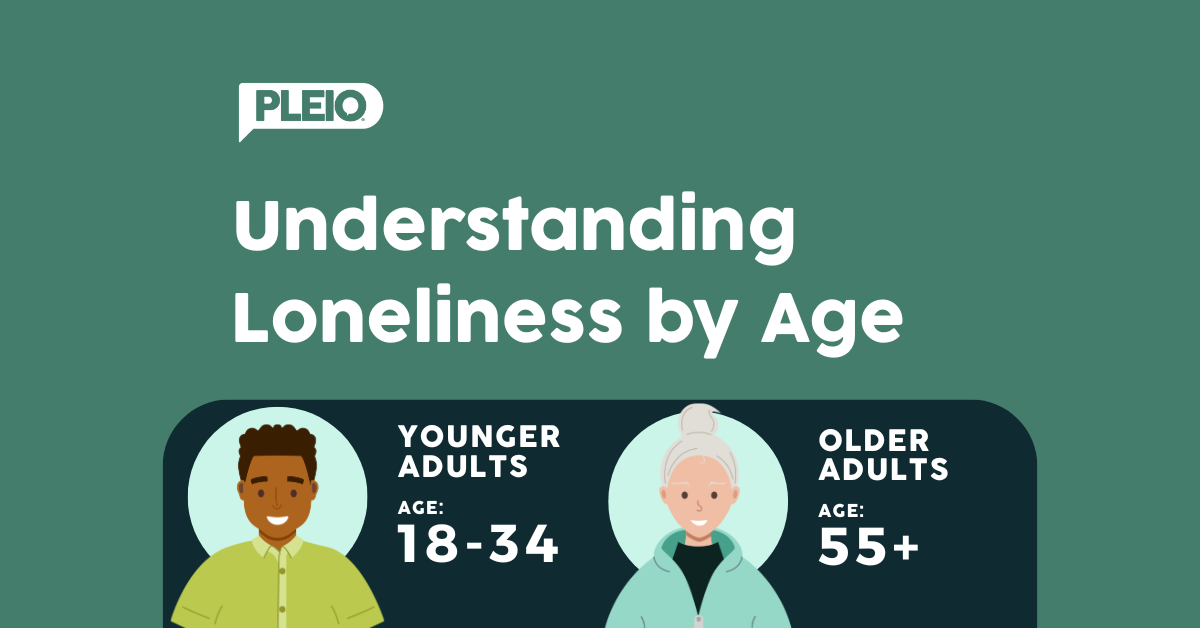
Understanding Loneliness by Age

Discover how loneliness by age impacts patient needs—and why human connection still matters in a healthcare system dominated by digital tools.

WHITE PAPERS

Gain contextual, in-depth knowledge about a specific real-world subject.

The Hidden Enemies of Adherence: Mapping the Underminers Behind Every Missed Dose

Pleio analyzed over 140,000 real patient conversations through its AI-powered platform, OLLIE, to uncover what truly disrupts medication adherence. This analysis is based on the foundation of Pleio’s Barrier Blueprint, which organizes the complexity of adherence into seven dimensions, 37 drivers, and 85 distinct barriers

CASE STUDIES

Pleio reaches more patients with a human-first approach to adherence.

Patients diagnosed with a mental health condition requires heightened emotional support beyond traditional patient support programs.
WEBINARS / PODCAST

Learn and discover with our podcasts and webinars

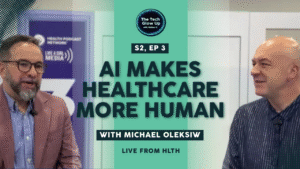
AI Makes Healthcare More Human

On “The Tech Glow Up” live from HLTH 2025, Vital.io and Pleio share how AI can make healthcare more human—from translating medical jargon to uncovering emotional barriers that hinder adherence and patient trust.